 Add Row
  Add
Add 


Did you know that nearly 60% of patients can’t distinguish between a fully credentialed provider and a non-expert—and that confusion is costing the aesthetics market billions in lost trust and revenue? If you run a med spa or a medical aesthetics clinic, this statistic should be a wake-up call
"Nearly 60% of patients can’t distinguish between a credentialed provider and a non-expert, costing the aesthetics market billions in lost trust and revenue."

A Startling Shift: What the New Authority Gap in Medical Aesthetics Means for Today’s Clinics
The authority gap in medical aesthetics is more than an abstract concept. It’s a measurable loss in patient trust, brand equity, and hard revenue for clinics worldwide. Medical spas and aesthetic clinics depend on credibility to attract patients, especially as cosmetic procedures and non-surgical options expand. Yet a growing disconnect between perceived and actual expertise has widened this gap, leading patients to question practitioner qualifications, clinic legitimacy, and the value of even the most advanced treatments—from dermal fillers and skin tightening to the latest aesthetic devices.
The results? Lower bookings, diminishing trust, reduced pricing power, and regulatory scrutiny—all contributing to the staggering costs associated with the authority gap
Defining the Authority Gap in Medical Aesthetics and Its Real-World Impact
The "authority gap" in medical aesthetics refers to the difference between what patients believe about a provider’s expertise and the actual credentials or experience that provider holds. In practical terms, this means many prospective clients cannot distinguish a board-certified physician from an insufficiently trained technician—or worse, a non-expert. This confusion has been amplified by social media marketing, a glut of new medical spas, and varying global standards, especially in busy markets like North America and South Korea. The result is a persistent erosion of trust and a marketplace where patients often make choices based on appearances or price alone, rather than expertise or actual clinical outcomes.
This disconnect doesn't just dilute individual clinic brands—it affects the entire aesthetics industry’s growth potential. When the authority gap grows, so does patient hesitation, leading to fewer bookings for popular treatments like botulinum toxin, hyaluronic acid fillers, skin resurfacing, and body contouring. For clinics, the costs are massive: less patient loyalty, higher marketing spend to regain lost ground, and mounting pressure from regulatory bodies concerned about patient safety and ethical marketing.
How Authority—and Its Absence—Directly Influences Patient Choices and Clinic Profits
When patients question your authority or expertise, they tend to shop around, choose lower-cost providers, or forgo procedures altogether. This skepticism can be traced to the rise of online reviews, publicized complaints, and a competitive global landscape where new entrants outnumber seasoned professionals. The economic toll is undeniable. Clinics that cannot clearly demonstrate their expertise—via staff credentials, visible certifications, transparent pricing, and compelling patient education—see sharp declines in their market share and average transaction size.
Furthermore, because medical spas are often conflated with less-regulated beauty outlets or non-medical service providers, the entire aesthetics market suffers from a perceived lack of professional oversight. As patients migrate towards clinics perceived as more transparent or trustworthy (often through online platforms), those who ignore the authority gap risk losing not just bookings but their hard-earned reputations. Ultimately, closing the authority gap means more than compliance—it’s a sales imperative, a brand-builder, and the most potent weapon clinics have in differentiating themselves in today’s fiercely competitive landscape.
What You'll Learn About the New Authority Gap in Medical Aesthetics
How the new authority gap emerged in the medical aesthetics industry
Key ways the authority gap is costing clinics millions
Market size implications for the aesthetics market
Strategies to regain trust and build authority in medical aesthetics

The Authority Crisis: How the New Authority Gap in Medical Aesthetics Developed
Roots of the Medical Aesthetic Authority Gap—When Did Trust Begin to Erode?
The erosion of trust in the medical aesthetics market did not happen overnight. A decade ago, medical aesthetic treatments were offered almost exclusively by doctors and specialists, usually in clinical settings. But the explosion of minimally invasive procedures, combined with technological advancements and a lucrative global market, sparked a boom in new service providers. Newcomers opened med spas at a breakneck pace—many operating under looser regulatory oversight, with varied levels of staff training.
The PROLIFERATION of aesthetic treatments now means that a "medical spa" can offer advanced services like dermal fillers or skin tightening without patients knowing who’s truly qualified. This trend, driven by aggressive marketing, celebrity endorsements, and social media influencers, makes it easy for less-experienced providers to appear as reputable as top-tier clinics. Over time, even well-established practices have been forced to compete on price or promises, chipping away at the trust patients used to place in a clinic’s reputation or medical oversight.
Market Forces Shaping the Medical Aesthetics Industry
Several market dynamics have deepened the authority gap. The entry of large multinational players like Allergan Aesthetics, rapid regulatory changes, and the growing influence of direct-to-consumer platforms have all shifted patient expectations. Clinics now compete in a global medical aesthetic environment where consumer demand is fueled by trends spotted on Instagram or TikTok, rather than recommendations from primary care physicians.
Meanwhile, regulatory clarity hasn’t kept pace. Standards for who can perform cosmetic procedures or operate aesthetic devices still differ widely—from the stringent medical licensing found in parts of United States to the innovation-driven (but often less-regulated) approaches seen in South Korea. This landscape makes it easy for underqualified practitioners to enter the field, while leaving consumers without clear signals about who they should trust.
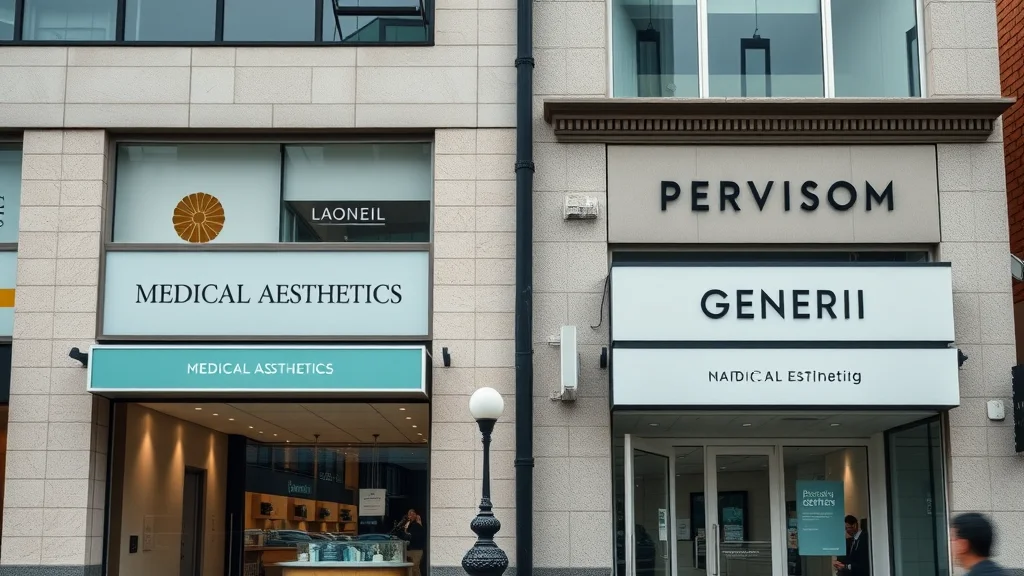
Why the Authority Gap in Medical Aesthetics Is Costing Clinics Millions
Reason |
Impact on Clinics |
Estimated Revenue Loss |
|---|---|---|
Loss of Trust |
Decline in bookings |
$$ millions |
Value Perception |
Reduced pricing power |
$$ millions |
Online Competition |
Patient migration |
$$ millions |
Regulatory Fines |
Compliance risks |
$$ millions |
Impact of Consumer Demand on the Medical Aesthetics Market Size
The relationship between consumer demand and clinic authority is direct and profound. As more consumers educate themselves through online reviews and word-of-mouth, their expectations rise. They may seek the lowest price, but increasingly, they look for visible credentials and transparency—especially for high-value cosmetic procedures and advanced aesthetic treatments. If clinics cannot offer a compelling narrative of expertise, patients delay or forgo procedures, which directly impacts the market size for everything from hair removal to skin resurfacing.
This trend is especially acute among younger demographics who prioritize digital research and rely heavily on verification—such as certification badges or detailed provider bios—before booking. Clinics slow to adapt to this evolving global medical aesthetics market are increasingly bypassed, despite an otherwise strong reputation or history in the space. In short, clinic income now flows to those who lead with authority—and dries up quickly for those who do not.
The Role of Med Spa and Medical Spa Offerings in the Authority Landscape
The modern med spa bridges the gap between a traditional doctor’s office and a day spa, offering a wide range of minimally and non-invasive procedures. However, this very breadth makes them vulnerable to the authority gap. Clinics may invest heavily in technology—such as aesthetic devices for body contouring or skin tightening—but if staff expertise isn’t immediately apparent, investment returns quickly dwindle. Consumers now expect not only competitive pricing and advanced treatments, but also clear, accessible proof of staff credentials and ongoing professional training.
Successful med spas understand that authority is both earned and performed. From professional uniforms and visible certifications to open explanations of procedure risks and benefits, these details build the trust that underpins the success of any clinic in the medical aesthetics industry. Clinics that minimize these touchpoints, or are complacent about staff training, find themselves on the wrong side of a rapidly widening authority gap.

Case Studies: Clinics Losing to the Authority Gap and the Real-World Costs
Consider a once-busy medical spa in Los Angeles, famous for its minimally invasive body sculpting procedures. When competition increased and new clinics promoted flashy facilities and ambiguous "qualifications," bookings plummeted by 40%. Patients could not readily verify provider backgrounds or view certifications, so they migrated to newer clinics that clearly displayed doctor and nurse credentials both online and in reception areas.
Similarly, a fast-growing chain of med spas in South Korea lost market share when negative online reviews pointed out inconsistencies in staff training. In these cases, the loss wasn’t just foot traffic—the clinics were forced to slash prices, spend more on marketing, and eventually lay off staff. The message is clear: failing to address the authority gap comes with an existential cost measured in millions of dollars and irreversible reputational damage.
Market Analysis: Global Medical Aesthetics Market Trends and The Authority Gap
Aesthetics Market Growth vs. Authority Decline—A Critical Contrast
Paradoxically, global demand for aesthetic treatments has never been higher. The estimated market size for the medical aesthetics industry continues to soar, driven by consumer interest in cosmetic procedures, dermal fillers, and new non-invasive technologies. However, this meteoric growth is not matched by a corresponding increase in patient trust. As market research shows, a rise in new entrants often means a dip in average provider credentials, pushing the authority gap ever wider and heightening the profit risk for clinics not actively investing in credibility.
The growth of the medical aesthetics market is only sustainable for providers who reconcile expansion with robust, visible authority. Whether it’s through staff certifications, transparent patient education, or strong online reputations, building and maintaining authority is now a core part of any clinic’s growth strategy. Otherwise, you risk losing out, even as the market booms around you.
Noteworthy Trends in Cosmetic Procedures and Patient Expectations
Patients are increasingly drawn to non-invasive or minimally invasive options such as botulinum toxin injections, hyaluronic acid treatments, and advanced skin resurfacing. This shift to outpatient procedures and short recovery times has expanded demand but also blurred the line between medical expert and technician. As a result, patients now place heavier emphasis on visible proof of expertise—expecting to see documented provider experience, transparent before-and-after galleries, and easy-to-understand pricing models before making a booking.
Expectations also vary by region. While North America prioritizes digital verification and social proof (such as verified reviews or influencer endorsements), South Korea sets trends in state-of-the-art technology and procedure innovation. In both markets, clinics who visibly demonstrate authority—through advanced technology, transparent protocols, and ongoing staff training—outperform those who do not.

Spotlight: South Korea and the Battle for Authority in the Medical Aesthetic Market
South Korea stands out as a bellwether for med spa innovation—and a vivid example of what happens when the authority gap is left unchecked. The country’s booming aesthetics market is globally recognized for its high-tech infrastructure, extensive treatment menu, and relentless pursuit of beauty trends. Yet even here, a glut of new providers has created confusion, leading to highly publicized stories about unlicensed practitioners and botched outcomes.
Clinic owners in Seoul and across the South Korean market have responded by making credential visibility a centerpiece of their strategy, ensuring every staff member’s qualifications are easily accessible. Clinics also invest in public awareness campaigns, helping patients understand what to look for in a trustworthy medical aesthetic provider. The result: those who lead in transparency and authority consistently capture a larger share of a fiercely competitive market.

Where Clinics Go Wrong: Common Missteps Exacerbating the Authority Gap in Medical Aesthetics
Relying on outdated marketing in a digital age
Ignoring consumer demand for credibility and transparency
Complacency in ongoing staff credentialing and expertise
Failure to adapt as the aesthetics industry evolves

Expert Insights: What It Takes to Reclaim Authority in the Medical Aesthetics Market
"Authority is no longer self-ascribed; it has to be visibly earned and continually reinforced in every patient interaction."—Leading Medical Aesthetics Consultant
Staff Training and Visible Credentials for Rebuilding Trust
An ongoing commitment to staff training and certification is essential to closing the authority gap—and clinics must make those credentials visible at every touchpoint. This means more than simply listing provider degrees on a website. Patients should see framed certificates in public areas, receive explanations about staff qualifications during consultations, and be able to verify expertise when booking online.
High-performing clinics invest in regular staff education, adoption of new aesthetic devices, and clear communication practices that demystify even the most advanced medical aesthetic techniques. Each of these steps not only rebuilds trust but acts as a powerful differentiator in a market crowded with lesser-trained providers.

Positioning Your Med Spa as a Market Leader in Medical Aesthetics
Public education campaigns
Transparency in pricing and procedures
Showcasing clinical outcomes and successes
Industry leaders use education and transparency as core marketing tools, distinguishing their brands with published outcomes, honest FAQs, and open dialogue about procedure risks and benefits. Doing so not only reassures new clients but inspires loyalty among returning patients—making your med spa the first choice in a competitive market.
Success in the medical aesthetics market demands visibility and authenticity. Whether through hosting webinars on cosmetic procedures, offering in-person Q&A sessions, or publishing real patient stories, the clinics who lead do so because patients can see, verify, and believe in their authority.
Dynamic montage of global med spa leaders and patients—interviews, infographics, busy clinics, highlighting challenge and hope in reclaiming authority. Well-lit, modern, inclusive visuals, clean transitions, 4K resolution, subtitles ready, professional sound design.
In this expert roundtable, industry leaders from top medical aesthetics clinics and med spas discuss how the credibility crisis impacts patient safety, pricing strategies, and the ability to innovate. Footage highlights how some clinics have reversed negative trends through transparency, credential-led marketing, and patient-focused communication.
The consensus: clinics that wait for regulations or trends to restore trust get left behind, while persistent investment in staff expertise and public education pay off in higher profitability and better patient satisfaction.
How to Close the Authority Gap in Your Clinic: Actionable Steps
Audit and upgrade visible staff credentials
Engage in active patient education about the medical aesthetics market
Emphasize transparency in every interaction
Leverage online reviews to reinforce expertise
Begin by conducting a clinic-wide audit of every provider’s credentials and make upgrades or additional training a routine priority. Create marketing materials and in-person scripts that explain staff expertise in plain language. Ensure your process for collecting, responding to, and displaying online reviews is robust—patients crave social proof and want to see feedback from real people like themselves.

In these exclusive interviews, successful med spa owners and managers reveal how they close the authority gap through transparent patient communication, prominent display of licenses and certifications, and continuous adaptation to new cosmetic procedure standards. From North America to South Korea, every market leader agrees: visible authority and transparent business practices drive long-term growth.
By shaping a culture where authority is visible, clinics foster repeat business and generate positive online buzz, which, in turn, fuels further market share and secures competitive advantage.
People Also Ask: Medical Aesthetics Authority Gap Questions
What is the authority gap in medical aesthetics?
The authority gap in medical aesthetics refers to the disconnect between perceived and actual provider expertise, which leads patients to question the trustworthiness and qualifications of clinics and practitioners.
How does the authority gap affect the medical aesthetics market size?
When confidence in provider expertise wavers, consumer demand shifts, affecting overall market size as bookings drop, pricing power erodes, and competitive pressure mounts.
How can clinics address the authority gap in the aesthetics market?
Clinics can address the authority gap by promoting credentialed staff, prioritizing patient education, utilizing transparent marketing, and collecting positive online reviews.
Why are medical spas particularly vulnerable to the authority gap?
Med spas often operate in a highly competitive space where distinctions in expertise are not always prominent, increasing the risk of patient confusion and trust erosion.
FAQs: The New Authority Gap in Medical Aesthetics (and Why It’s Costing Clinics Millions)
What is driving the new authority gap in the medical aesthetics industry?
How much revenue do clinics stand to lose to this trust deficit?
Are larger clinics or independent med spas more affected?
Does geography (e.g., South Korea) impact the authority gap?
What market forces continue to widen this gap?

Key Takeaways for Med Spa and Medical Aesthetics Clinic Owners
The authority gap is a measurable and growing threat to profitability.
Proactive clinics can close this gap with deliberate transparency and credentialing.
Market leaders will be those who visibly and tangibly demonstrate authority in medical aesthetics.
Moving Forward: How the New Authority Gap Will Shape the Future of the Medical Aesthetics Market
Innovation, Regulation, and the Next Era of Patient Trust in Aesthetics
The future of the medical aesthetics market belongs to clinics that blend innovation with visible, earned authority. Regulators are poised to implement stricter standards, and patients are already demanding proof of expertise at every touchpoint. As technological innovation reshapes the aesthetics industry, clinics that embrace transparency, continuous education, and proactive communication strategies will define the next era of patient trust.
Your clinic’s success ultimately depends on how rapidly and visibly you close the authority gap—because reputation, now more than ever, is the most valuable currency in medical aesthetics.

Subscribe to Learn more!
Ready to lead your med spa or clinic into the next era of authority and trust? Subscribe to our updates for the latest insights, case studies, and actionable strategies

Write A Comment