 Add Row
  Add
Add 


Did you know that over 60% of first-time med spa clients rarely return—not due to poor service, but because of missed opportunities to re-engage? As we move toward 2026, the hidden asset med spas are overlooking as they prepare for 2026 is not just about attracting new faces—it's revitalizing the dormant relationships within your own practice
What You’ll Learn About the Hidden Asset Med Spas Are Overlooking for 2026
- The critical importance of dormant patient relationships in the med spa industry
- How top medical spas segment and re-engage past clients
- Proven frameworks and approaches to reactivating patients in 2026
- Key trends, technology, and strategies for sustainable med spa growth
- Practical steps for spa owners to implement reactivation systems
A Startling Med Spa Statistic: Why the Hidden Asset Med Spas Are Overlooking Will Shape 2026
Research shows more than 60% of first-time med spa patients never return — not because of dissatisfaction, but for lack of re-engagement. The hidden asset med spas are overlooking as they prepare for 2026 is the inactive client list that, managed correctly, can power significant growth in 2026. Unlike cold marketing campaigns aimed at attracting new prospects, reconnecting with lapsed clients leverages existing trust, familiarity, and demonstrated interest. Treating these dormant patient relationships as high-value assets can transform your spa's growth trajectory and insulate against rising acquisition costs.

Understanding the Hidden Asset Med Spas Are Overlooking in Patient Relationships
Many med spa owners don’t realize that the greatest opportunity for future growth may already be sitting in their database. The med spa industry’s intense focus on acquiring new clients can cause spa owners to undervalue patients who have drifted away, pausing their journey due to timing, finances, or shifting aesthetic goals. These dormant clients have already navigated the trust barrier—with established medical aesthetics experience, proven willingness to invest, and a connection to your brand. Rather than seeing them as lost, leading medical spas view them as a powerful hidden asset, poised for reactivation.
- Review of existing treatment room data
- Importance of relationship-based business models
- Real-world quotes from industry-leading spa owners
“Past clients aren’t lost—they’re your most likely future revenue. It’s your call to reactivate, not restart.” — Dr. Alicia Tran, Medical Spa Innovator

Med Spa Industry Trends for 2026: Why Reactivation Matters
Changes in the market, advances in technology like artificial intelligence, and increased patient price sensitivity shape the med spa industry in new ways every year. Heading into 2026, spa owners must recognize:
- Shifting patient behaviors and economic caution
- Higher marketing costs for new acquisition in the medical spa field
- Trust, retention, and the role of spa software and artificial intelligence
Not only are new-patient acquisition costs ballooning, but today’s med spa clientele expect hyper-personalized experiences and ongoing education. Reactivating relationships with dormant clients—using advanced spa software, data-driven segmentation, and AI-powered systems—can significantly buffer against marketing volatility. This future-forward approach to patient management ensures that the hidden asset med spas are overlooking as they prepare for 2026 becomes the foundation of sustainable business growth.

| Criteria | New Patient | Reactivated Patient |
|---|---|---|
| Cost per Lead | High | Low |
| Trust Level | Low | High |
| Decision Cycle | Long | Short |
| Conversion Rate | Lower | Higher |
Step One: Reviewing Past Patients Is the Hidden Asset Med Spas Are Overlooking
The journey to unlocking the hidden asset med spas are overlooking as they prepare for 2026 begins with an intentional review of historical patient data. Top-performing medical spas approach their patient list like a goldmine, using robust spa software for precise analysis. By reviewing client lists, treatments received, and time gaps between sessions, spa owners can identify patients who are most likely to return—and tailor their outreach accordingly. This careful segmentation paves the way for meaningful engagement based on patient history and real treatment outcomes, not generic bulk marketing. Efficient inventory management and targeted follow-ups become possible when teams leverage the right systems and insights, setting the stage for sustained med spa industry growth.
- Data-driven review of med spa client lists
- Grouping past clients by treatment, outcomes, and gaps
- Spa software to optimize inventory management and follow-ups

Questions Spa Owners Should Ask When Segmenting Patient Lists
- Which medical aesthetic treatments did they receive?
- How long since last appointment?
- Were results maintenance-driven or single session?
- Common patient experience issues noted?
Segmentation is crucial for a spa owner who wants to maximize client management and optimize reactivation. For instance, identifying clients who received chemical peels, laser hair removal, or body contouring over a year ago can highlight high-opportunity groups. Addressing gaps in the patient experience—like communication lapses—can further refine outreach. Advanced spa software also enables grouping by treatment room utilization and outcome satisfaction, guiding more effective campaigns as med spa owners seek to unlock dormant potential within their lists in 2026.
Step Two: Educating, Not Promoting — The Med Spa Approach to Dormant Clients
Avoid the discount trap. Med spas often make the mistake of reaching out with generic sales promotions or steep discounts, which can erode value perceptions for high-ticket aesthetic treatments. Instead, clinics achieve better results by leading with education and updates: introducing new protocols, highlighting the latest in laser hair removal and medical aesthetics, or addressing changes in safety standards. Sharing knowledge positions your practice as an expert, deepens trust in the patient experience, and gently reactivates hesitant clients. Notably, focusing on the long-term benefits of ongoing aesthetic practice delivers greater loyalty than short-term price incentives.
- Leading with new treatment protocols and patient education
- Updates in laser hair removal, medical aesthetics, and safety standards
- Avoiding discounts and focusing on long-term aesthetic practice benefits
“Education reactivates relationships; discounts only cheapen them.” — Terry Guilfoyle, Contributing Editor
Step Three: Acknowledging the Time Gap in Medical Spa Patient Experience
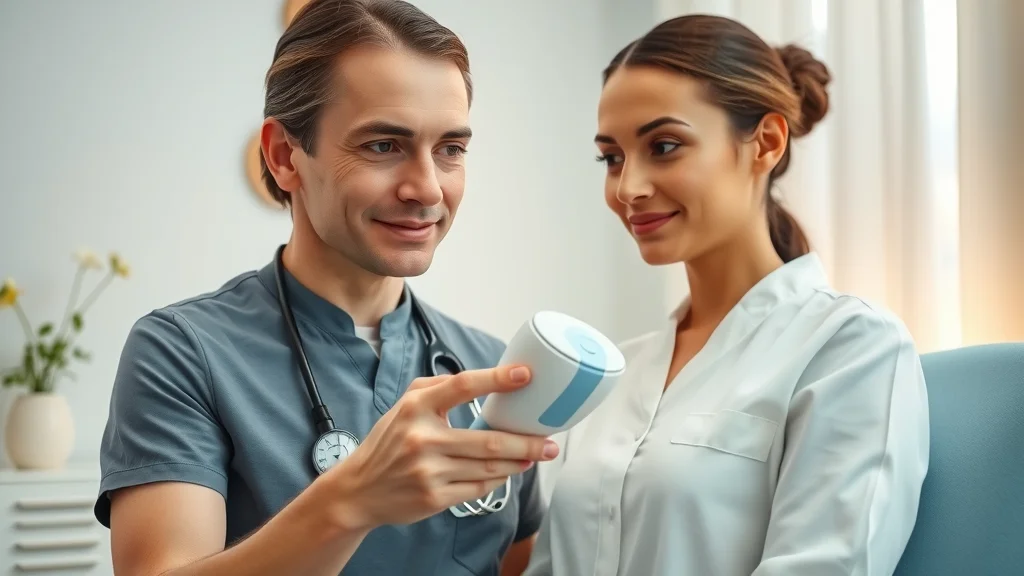
One of the most overlooked steps in patient reactivation is openly acknowledging the time elapsed since the last visit. Effective med spas use communication templates that normalize pauses, making patients feel welcomed back rather than singled out. Phrases like, “Many patients take a break and return when ready,” or “We have exciting new protocols since your last visit,” can ease anxieties about re-entry. Understanding the psychology behind these conversations is key: dormant clients appreciate transparency and empathy, setting the stage for trust-based reactivation as the backbone of your aesthetic practice’s growth in 2026.
- Effective communication: Normalizing long gaps between visits
- Messaging templates for reestablishing trust
- The psychology behind re-entry: What medical spas should say

Step Four: Repositioning the Med Spa–Patient Relationship for Longevity
The future of the med spa industry is not in one-off corrective procedures but in long-term partnership. Transitioning from episodic care to preventative programs, maintenance plans, and wellness memberships converts reactivated patients into loyal advocates. This approach not only improves patient outcomes but fortifies your spa’s recurring revenue. Leveraging the hidden asset med spas are overlooking as they prepare for 2026 also differentiates your clinic in a crowded market, making long-term engagement the core of sustainable med spa growth.
- From corrective procedures to preventative and maintenance programs
- How the hidden asset med spas are overlooking can fuel membership models
- Long-term treatment planning as a core spa industry strategy
Building Maintenance-Focused Medical Aesthetic Programs
- Benefits of continuity for spa owners
- Improved patient outcomes and loyalty
- Differentiation within the aesthetics industry
Membership-based models, ongoing skin health tracking, and periodic reviews give patients tangible reasons to stay engaged year-round. These maintenance-focused programs not only enhance the patient experience but give aesthetic professionals a framework for stable revenue, better inventory management, and true differentiation. Over time, these recurring touchpoints foster relationships that outpace any one-time promotional boost in the aesthetics industry.

Step Five: Making Reactivation a Systematic Growth Engine in the Med Spa Industry
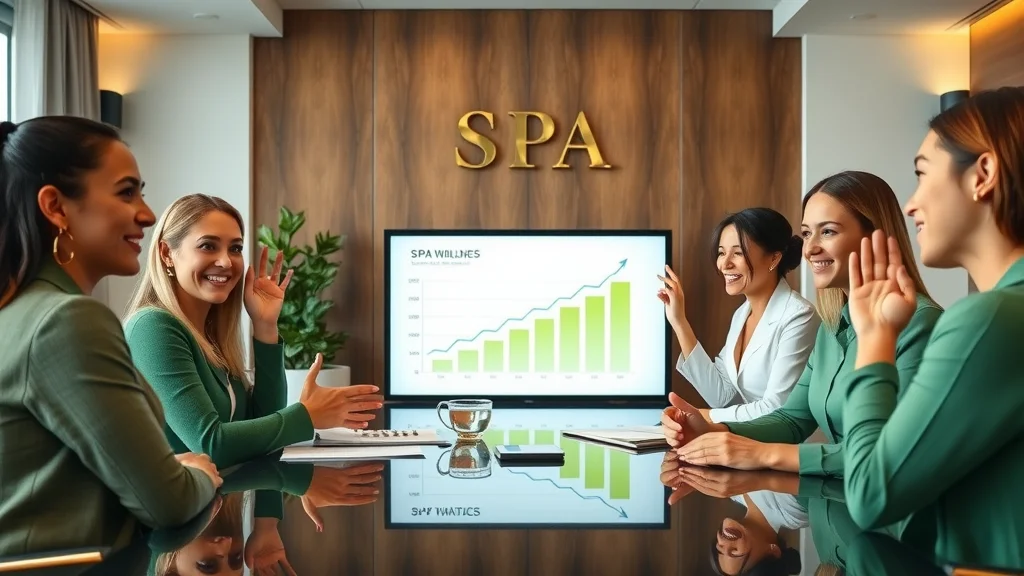
Turning patient reactivation into a repeatable, systematized growth engine separates thriving med spas from the rest in 2026. Spa owners must prioritize regular reviews of their inactive lists, publish educational content that answers common questions, and use automation to streamline outreach. Modern spa software and AI-powered systems can track engagement, personalize messages based on previous treatment room sessions, and optimize follow-up schedules. By embedding reactivation into daily operations, the hidden asset med spas are overlooking as they prepare for 2026 evolves from an afterthought to a core driver of growth and stability.
- Regular review of inactive lists
- Publishing relevant content addressing patient questions
- Automation tips: How spa software can support systematic outreach
Using Artificial Intelligence to Personalize Med Spa Reactivation
- AI-powered reminders based on prior treatment room sessions
- Targeted social media campaigns for existing patient segments
- Securely managing inventory and follow-up communication
Artificial intelligence is revolutionizing client management for med spas. AI tools can schedule personalized reminders just as a patient approaches the ideal interval for maintenance, recommend new aesthetic treatments based on past interest, and customize social media outreach. These data-driven systems enable aesthetic practices and spa owners to attract more clients from dormant lists while safeguarding privacy. Such innovations ensure that every patient—no matter their last visit—feels seen, valued, and motivated to return as the med spa industry advances in 2026.

Watch an expert breakdown of actionable steps to reactivate dormant med spa patient relationships for robust growth.
Real-World Example: How a Leading Med Spa Doubled Revenue Using the Hidden Asset Med Spas Are Overlooking
- Case study: Implementing dormant patient reactivation
- Tangible ROI and operational tips for spa owners
- Lessons learned for other medical spas
Consider a premier medical spa that reviewed its database and found hundreds of clients who had not booked in 18+ months. Rather than launching broad marketing, the spa divided the group by previous services (like laser hair removal or body contouring) and sent personalized updates about new protocols and expanded services. Within three months, nearly 25% rebooked, citing trust in familiar professionals. Membership programs were proposed during visits, further boosting recurring revenue. This real-world model proves that the hidden asset med spas are overlooking as they prepare for 2026 can catalyze substantial financial and operational growth for any spa owner willing to invest in thoughtful reactivation strategies.
Lists: Action Steps for Spa Owners to Capitalize on the Hidden Asset in 2026
- Analyze existing patient list via spa software
- Segment by treatment type and time since last visit
- Create educational campaigns on updated medical aesthetics
- Normalize time gaps in communications
- Develop membership and maintenance programs
- Implement automation for ongoing reactivation
- Track KPIs and iterate systems

People Also Ask: What are the spa trends in 2026?
In 2026, spa trends include advanced AI-powered personalization, growth of maintenance and preventative membership programs, eco-friendly medical spa practices, and a renewed focus on patient education and reactivation over mere acquisition.
People Also Ask: How much does it cost to open a med spa?
Med spa start-up costs in 2026 range from $250,000 to $1 million depending on location, services, equipment (such as for laser hair removal), inventory management, and regulatory compliance requirements.

People Also Ask: How to value a med spa?
A med spa is typically valued based on EBITDA, patient list quality, recurring revenue (including maintenance memberships), equipment depreciation (like treatment room assets), reputation, and future growth potential—especially the hidden asset of dormant clients.
People Also Ask: How to find the best med spa?
To find the best med spa, evaluate patient reviews, treatment variety, medical aesthetic expertise, technology (including spa software), safety protocols, and frequency of past-patient reactivation programs.
FAQs: The Hidden Asset Med Spas Are Overlooking for 2026
-
What percentage of med spa revenue can come from reactivated clients?
Reactivated clients can account for 20–40% of annual revenue for a well-managed medical spa, depending on follow-up systems, communication, and ongoing program development. This makes them a cornerstone of spa industry profitability. -
Are automated systems effective for past patient outreach?
Yes. Modern spa software and AI-powered platforms can efficiently segment, personalize, and schedule reactivation campaigns, improving success while saving staff time. -
How do dormant assets beat new-patient campaigns in ROI?
Past patients already trust your brand and understand your services, resulting in higher conversion rates and shorter decision cycles compared to cold traffic or social media marketing. This offers far better return on investment. -
Is re-engagement ethical in the aesthetics industry?
Absolutely. Ethical re-engagement focuses on education, transparency, and supporting client wellness—strengthening the patient experience rather than pressuring for sales.
Key Takeaways: The Hidden Asset Med Spas Are Overlooking Will Define 2026
- Dormant patients are the future of sustainable med spa growth
- Education and intentional reactivation trump constant promotions
- Systematic review and automation build lasting patient relationships
- Competitive advantages will shift to practices prioritizing the patient experience and relationship models
In this exclusive interview, industry expert Terry Guilfoyle discusses practical tactics for med spas to unlock growth by focusing on existing patient relationships going into 2026.
Conclusion: Transforming Dormant Relationships — The Real Med Spa Growth Engine for 2026
Spa owners and managers who recognize the hidden asset of their past client database will set themselves apart in a competitive market. Reactivation, not just acquisition, is the smart, stable, and ethical way forward.
Ready to activate the hidden asset your med spa is overlooking?
Learn how to transform dormant client relationships into sustainable growth. Learn More at Med Spa Dominator .com.

Write A Comment